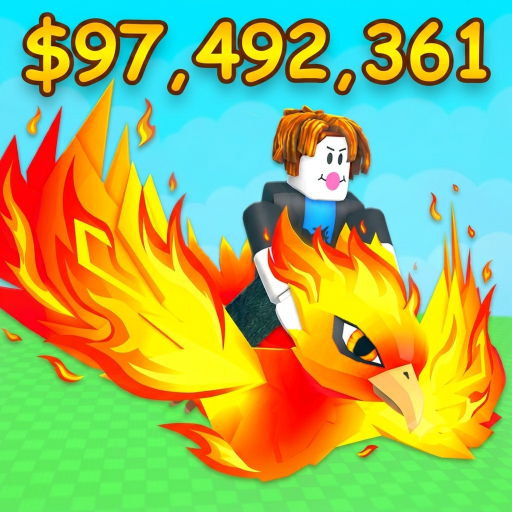
Ride A Pet Gameplay Guide
Learn how egg hunting, plot hatching, rideable pets, speed upgrades, and careful reinvestment connect in the Ride A Pet loop.
Ride A Pet Gameplay Guide starts with one rule: make the next attempt safer and more useful than the last. This all-player guide focuses on the core progression loop and the decision promised by this page: explain the complete Ride A Pet gameplay loop and how each system feeds the next. Use the steps below as a repeatable route, then confirm changing interface labels and values inside the live game before spending scarce resources.
Before acting on this Gameplay Guide plan, check the official Ride A Pet experience on Roblox for the current interface and values.
Trace the Whole Egg-to-Ride Loop
Ride A Pet works best when every action feeds the next egg run. Find an egg, protect the return to the plot, hatch it, and compare the new pet with the mount already doing the work. Rarer and faster pets matter because speed expands the routes you can finish safely, while mutations provide another way to improve a chosen pet. Keep the loop small at first: solve the current movement or return-time problem before chasing a distant endgame target.
- Decide which single result would make the run worthwhile.
- Check the route back to your plot before committing.
- Keep exact prices, odds, and stats out of the plan until the live interface confirms them.
See the System in Motion
The video below gives visual context for the core progression loop. Watch for the order of actions, where the player turns back toward the plot, and what they compare after a hatch or upgrade. Use it to recognize the loop, not as proof that every number or spawn shown will remain unchanged.
My practical rule is to separate preparation, execution, and review. Preparation means choosing the mount, clearing the destination at your plot, and knowing the line home. Execution means avoiding detours once an egg or upgrade attempt is active. Review means checking what actually improved: route time, return confidence, income, or a new index entry. When those phases blur together, players often spend first and invent a reason afterward.
Read the Result, Not the Hype
Use a small notebook or a short mental scorecard. Record the landmark where a run began, whether radar distance fell consistently, and whether the return felt comfortable or barely possible. For pets, compare the same route instead of judging only by appearance. For eggs, count a run as successful only when the hatch is secured. This method stays useful even when an update moves a spawn, adjusts a stat, or changes a shop label.
| Checkpoint | What to inspect | Useful result |
|---|---|---|
| Choose | Name the single bottleneck: travel, return safety, income, or collection. | The next action has one purpose. |
| Change | Upgrade one pet or one part of the route. | You can tell what produced the result. |
| Test | Repeat the same useful route under similar conditions. | The comparison is practical rather than cosmetic. |
| Commit | Keep the upgrade only when it helps the chosen goal. | Resources remain focused on progression. |
The table is deliberately based on observations you can repeat. It avoids pretending that one creator's snapshot is a permanent rule. If the game changes, the same checkpoints still tell you whether a route, pet, or upgrade is helping.
Use It in Your Next Run
The most common bad decision is chasing the rarest-looking target before the account can support the route. A second mistake is upgrading several pets at once, which hides which investment helped. A third is selling every slower duplicate without checking whether it fills the collection index. Keep the main mount focused, preserve useful discoveries, and verify any exact claim in the current game.
When an attempt goes wrong, diagnose the stage that failed. If you never found the target, improve the search pattern or use radar feedback. If the egg broke on the return, shorten the route or raise mount speed. If the hatch did not improve your main role, keep it only for collection value and save the next investment for a clearer upgrade.
Common Questions
What should I do first?
Start with the smallest repeatable action connected to this page: prepare one mount, one route, and one result check. A reliable loop creates better information and safer progress than a high-risk guess.
Should I trust exact values from a video or list?
Use them as a snapshot, then compare the live interface before spending. Names and broad gameplay context can remain useful while costs, stats, access methods, and spawn behavior change.
How do I know the plan worked?
For the core progression loop, the winning check is observable: the route becomes repeatable, the egg reaches the plot with room to spare, or the chosen pet improves the role you selected. If none of those results appears, stop spending and return to the previous reliable loop. Progress in Ride A Pet comes from compounding useful hatches and upgrades, not from forcing one dramatic attempt.